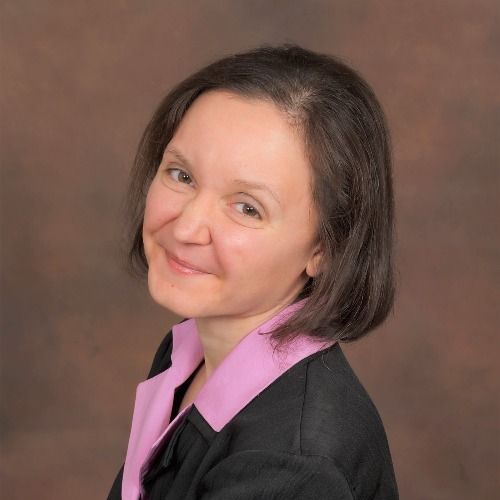
Episode 153
Keeping Christian Love Simple With Ahmard Vital
Faithful on the Clock is a podcast with the mission of getting your work and faith aligned. We want you to understand Who you're serving and why so you can get more joy and legacy from every minute spent on the clock. Thanks for joining us and taking this step toward a more fulfilling job and relationship with God!
Want to join us on social media?
We'd love to have you stay up-to-date with the show on all our platforms!
In this episode...
Keeping Christian Love Simple With Ahmard Vital
https://faithfulontheclock.com/keeping-christian-love-simple-with-ahmard-vital
Work might be complex, but loving people while you do your job shouldn’t be. In Episode 153 of Faithful on the Clock, guest Ahmard Vital helps us get back to loving with simplicity.
Timestamps:
[00:04] - Intro
[00:39] - Welcome/Ahmard’s background
[03:14] - What is “overcomplicated” and how to keep it simple
[06:13] - Why we need to slow down to simplify in our faith
[11:40] - Advice for people struggle to slow down because they think “I have to do it” about tasks or requests
[16:18] - Learning to respond to God instead of people; how loving others connects to giving time to God
[22:22] - What holds people back from taking small opportunities to love others
[27:22] - Overcoming the awkwardness of initial interactions and the neurology of learning people are safe
[33:11] - Responding even when it is difficult out of empathy
[45:56] - Unlearning previous ways of thinking to be able to love better; being willing to take unscheduled opportunities and how God can use them for life-or-death care
[54:51] - Making a conscious choice to pay attention and be aware of people and their needs
[58:31] - God as a God of abundance; why it’s important to celebrate others and the good going on in their lives
[01:08:17] - How to connect with and find out more about Ahmard
[01:10:03] - Prayer
[01:11:07] - Outro/What’s coming up next
Key takeaways:
- Small, everyday interactions can have life-changing impact.
- You don’t need a platform to make a difference — you need presence.
- Faith (or values) isn’t scheduled; it shows up in unscripted moments.
- Consistency in small actions builds real trust over time.
- People are often struggling more than they appear.
- Love is expressed through attention, not complexity.
- Scarcity thinking around celebration (someone else wins = you lose) is false.
- Celebration and connection — fruits of love — are antidotes to isolation and fear.
CTAs:
- Think about the last small interaction you had today. Did you treat it like it mattered?
- This week, choose one small moment each day to intentionally show up for someone.
What’s coming up next:
Juggling work and parenting is tough stuff. In Episode 154, guest Olaolu Ogunyemi joins Faithful on the Clock to offer encouragement and discuss what’s necessary to parent the next generation of leaders.
Support the show!
Visit the Faithful on the Clock Patreon page to choose a tier plan and become a supporting member. You'll gain access to goodies like early episode access, newsletters, and more based on the plan that's right for you.
patreon.com/faithfulontheclock
Give a one-off tip or donation on our Captivate support page. You can become a member there with the same great tier options you'll find at Patreon, too.
Visit our sister site! Faithfulonthclock.com features additional free, free-with-registration, and paid access content to grow your faith, including
- social media archives,
- previously published faith-based articles,
- original blogs,
- inspirational videos,
- episode teasers and replays
- exclusive faith-based essays and articles,
- exclusive videos
- exclusive audio
- exclusive in-depth devotionals.
Share the show! Like these episodes? Share them on social media, in texts or emails, or in person.
Transcript
[Thibodeaux]
Hello, everybody! This is Faithful on the Clock, the podcast for Christian professionals where every monkey eats the banana to get your faith and work aligned. I’m your host, Wanda Thibodeaux, as always, and today, I’m welcoming special guest Ahmard Vital. Ahmard is going to help us confront all of the complexity we have in our lives and break down why it is so important to keep simplicity in our Christian love as we do the work God’s called us to do. It all starts right now.
[:[Thibodeaux]
Welcome back to Faithful on the Clock. Listeners, I'm on Zoom today recording with special guest Ahmard Vital. Ahmard is an international motivational speaker, author, and consultant. He's also a passionate humanitarian who regularly gives his time to youth ministry. In our conversation today, the goal is simple — we're going to emphasize keeping it simple as you try to live your faith in the workplace. So, welcome, Ahmard. I'm honored to have you here.
[Vital]
Thank you, Wanda, for having me on.
[Thibodeaux]
Of course. So, just to get us started a little bit today, why don't you go ahead and introduce yourself, let people know who you are and what you do, a little bit about your background.
[Vital]
rse, I wrote my first book in: [:[Thibodeaux]
Yeah, well, thank you. You definitely sound like you are wearing a lot of hats, like a lot of people that I know — myself included. So, we had talked in our pre-interview — it sounds like things are kind of complex for you doing all those things, but our topic today is how to keep them simple, and we had a really good conversation about that. So, I wonder if you can get us started a little bit on — what is your definition of — it being overcomplicated, how do we keep it simple?
[Vital]
Well, first and foremost, that's a complicated question.
[Thibodeaux]
Yes, it is.
[Vital]
First and foremost, I keep a written planner. I know a lot of people do things digitally every day. I mean, I have a sticky note for what we're doing here today, and just for me, writing things down is just not only somewhat therapeutic, but it does keep me sort of in check, so I can go through and just kind of cross through things. I know a lot of people love the apps on their phones, and if that works for you, by all means, go for it. I'm an audio, I’m a visual, I'm a written guy. I just believe there's power in the written word — meaning, like, I have a pen, I have a pad next to me with all the stuff we've discussed before, and things that I have to do for the rest of the day are all on this notepad. I'm going to flip the page over with the legal pad on the clipboard. But to me, keeping it simple is writing things down to where you can — you can take a pen, a marker, or whatever, scratch through it, and then you move on to the next thing. I'm still trying to figure out the greatest way to go about that, because I'm extremely, extremely scatterbrained. ADD — I don't know what you wanna call it. I don’t know what they diagnose it as.
[Thibodeaux]
Yeah.
[Vital]
I think many of us, especially us as male brethren, we — we like to multitask, which basically means you're not focused on one thing at once. And so, keeping things simple is just saying, okay, breathe. Take care of this. Cross it off the list. Move on to the next one. Finish that. Cross it off the list. Of course, somewhere in between there, a notification is going to come through, an email is going to come through, my mother's going to call, you know, and so —
[Thibodeaux]
Yeah.
[Vital]
Which happens pretty frequently out here. So, I wish I had a full-fledged system for it, but if any of your people who are listening right now have a better way of doing it, other than writing it down and scratching it off of a sticky note or out of a planner, by all means, I'm willing to hear it out. But you know, we do the best we can with what we have.
[Thibodeaux]
Sure. Well, I think the theme there, though, is that I think all of us understand the overcomplication, right? That's just kind of life now. It doesn't matter if you use the pen and paper or the app — it's just everywhere, and it's so hard to keep track of everything. I know, for me as a freelancer, it is enormously hard. Like, I use apps and I use paper and like, my brain explodes, and I've got the audio reminders, because if I do not — even with the things I've written down, it's gone. Like, it just disappears. So, I totally relate to that.
[:And I'm wondering if you can connect that idea of being overcomplicated and just slowing down, what does that mean for faith? Like — like why do we need that?
[Vital]
I think we — I think we need that from the standpoint that when you sit still, even if it's for seconds, it allows you not only to breathe and just slow, you know, the 90-mile-an-hour Ferrari down for just a second — which is your mind. I think it allows you to just kind of sit back and breathe and, I guess, take in a breath of gratitude. Taking a breath of gratitude, and just sort of be in the moment and just see, like, you know, man. Looking at this to-do list, and I don't know how I'm going to accomplish it. But you know what? I just — I just thank God for this very moment. I thank you. And then you can just start going through different things you're grateful for. You know, I'm grateful for my family. I'm thankful for you giving your life so that I may live. I'm thankful for the provision. I'm thankful for my health. And I mean, you can just start running down things. And I think you can go through probably five, six, seven, ten things in a matter of seconds. I mean, if you really just sit down and be like, what am I grateful for? We can be here all day if we really just focused in on that. But there are sometimes when, you know, you just need to pause. I do that sometimes, even in the middle of my house — I'll be walking between my home office and the kitchen and the bedroom, and I’m like, oh, I left something over there. And sometimes I just stop wherever I am, living room, kitchen, and just be like…
[Thibodeaux]
Yeah.
[Vital]
Life is great. Life — I have joy in this very moment, not because everything around me is not chaotic, but because You are so loving. You allow me to have this moment with You, and I’m — let me just stop to be grateful for what is. It's not perfect, but it is. And right where it is right now is a beautiful thing, because you know, like you said, you want to go biblical — you died so that I may live. And at this very moment, life is — life — life — I have joy in my life as it currently stands. And that can be for some of your people in the midst of some very chaotic and very heartfelt things that are going on in their lives. But I think no matter what that, in the storm, in the valley — that — that we praise him right where we are, multiple times throughout the day, just to just put — just to put a stopping point to whatever your mind is racing towards, and just stop and just breathe and say, this breath is because of you.
[Thibodeaux]
Yeah. Well, one thing that I — you know, I always remember the Scripture that says, "Be still and know that I am God," right? That is such a great verse. But I always think when I hear that verse — you know, it's about that calm that we can have when we focus on him. But it's also the understanding that we don't have to do it all. We have all of these things that are lined up on our to-do list, and yet, He can take care of it all in a blink. Like, we don't have to worry about that. So, it's this idea that we can step back a little bit and know that He's going to let loose for us. You know what I mean? So, like — to me, that is a verse about what is coming. It’s not — it is about being still in the moment, but it's also about trusting what He's going to deliver in the next moment, which I think is super important when you're trying to calm yourself down.
[Vital]
I absolutely agree. And I caught something you said there — you said, you know, you don't have to do it all on your own. And you know, you can turn some things over to God. But God has placed people in our lives.
[Thibodeaux]
Oh, sure.
[Vital]
Like, a lot of times you can look at your list, and you're just like, oh my God, how am I going to do all this? And then it's like, hey, maybe you know someone, you know, at — you know, in your friend group from the church, and just be like, you know, hey, I got this issue, and it's really — it’s been on my to-do list for over a week, and thinking about this and that — and you may be completely overcomplicating what this is. Not only might they be able to have a solution or some kind of strategy to be able to help you get through it, or — what sometimes will end up happening — and we talk about overcomplication — sometimes, you look at your to-do list and be like, is that really important? Like, does that have to be done today?
[Thibodeaux]
Yeah.
[Vital]
Could that not be pushed to the side? Or, even more so — do I need this? Like, sometimes I look through my to-do list and I'm going through and I'm just like, why is this still here?
[Thibodeaux]
Right.
[Vital]
And it’s still here because — because my original mind two weeks ago said, hey, this is important, and then the fact that you haven't done it in two weeks — you're like, hmm, clearly it's not dire. Because well, it obviously is not part of your daily life, because if you had not done it — I mean, imagine, you know, the mortgage, like —
[Thibodeaux]
Right.
[Vital]
You can’t put that off for three months because you won't have somewhere to stay. So, I'm saying, not everything is of that level of importance. But sometimes, when you go back through it, and you take that pause, and you've turned it over to God — God can reveal to you in real time, like, that's not really something that you need to be doing.
[Thibodeaux]
Yeah
[Vital]
There’s something that's larger and that’s better for you to focus on. And I think when we do that, I think we can put ourselves in a better position and take some of this pressure off of ourselves, because we — we do sort of put more undue pressure on ourselves. It's probably just not even really needed.
[:[Thibodeaux]
Yeah. I absolutely believe that people can take that value from — like you said — going back and looking at it a second time. Because things change so fast that you look at your calendar like, nope, that doesn't really need to be done, you know. So, to just maybe even schedule a time to go back and double-check and just clear it — whatever doesn't need to be there anymore, just take care of it. Schedule that in so that you don't have to worry about it anymore. But I also know that for myself, my first instinct when something — you know, like, I get the ping — I get the ping from somebody or something comes up on my calendar — and my first instinct is to say, I've gotta do it. Like, it is not to sit — it is not to question the — necessarily, the priority of it. It's, how do I do it? Like, that's my automatic thought that comes in. And I know I'm not the only one out there that does that. I know I’m not. So, maybe you can speak to that a little bit — you know, what would — what would you tell people who have that running through their head? Like, I — you know, they wanna slow that down, but that's their first thought.
[Vital]
It's — it’s almost like on your computer when it says "force quit." Like, sometimes, you just have to just — you have to just be like, stop.
[Thibodeaux]
Yes.
[Vital]
Like, and I mean, literally right where you are — like, stop and just be like, oh my God. Okay, breathe. And then, like, in real time, just kind of sit there and just, you know, take a couple of deep breaths in, and just again — you — you said it, you said it beautifully — be still, and know that I am God. Because in that time, like, we know God can move in the — because see, God is not, you know, bound by, you know, four o'clock —
[Thibodeaux]
Right.
[Vital]
Or all of these things like that. God can just crash your little — your little to-do list in no time.
[Thibodeaux]
Yeah.
[Vital]
And so, when you — the main thing I would say is, allow Him to come in and bring you whatever you need in that moment. Maybe it's peace, maybe it's understanding, maybe it's some wisdom, maybe it's a just stop. Let — let me — like one of our pastors — let God do His thing. You know, like, let Him move. Because that's the thing — we're so intelligent and so knowledgeable and things that sometimes, we just don't allow the miracles of God, the — the provision of God, and just the work of Him to just move right here right now. And just be like, okay, you have all this stuff in your mind, but you know what I need you to do? I need you to go do this — right now. Go ahead, move. And I mean, and that's happened to me many times. I'm like, okay, I got all this stuff going on. And it's just like, I think I'm calling for you to go serve.
[Thibodeaux]
Yeah.
[Vital]
When? Like, right now. Yeah, but what — I've got, yeah —Yeah, one of my people are in need, and I'm calling you to that assignment. And it may not be that drastic, but the — the bottom line is, is that we have scheduled God out of our lives so many times.
[Thibodeaux]
Yeah.
[Vital]
Right? And I mean — even, and I don't do this from the standpoint of I don’t know not know not to do it, because I've been doing it consistently for three years now — but like, when I'm making my to-do list, at the top of every note — and if I flip this over, your people wouldn't be able to read it, but I'll tell you what it says. It says: awake, pray, Bible. And almost every — I'm looking at two of them right now. I'm looking at the one from Tuesday, and I'm looking at the one from today, and all of them say at the top right — awake, pray, Bible.
[Thibodeaux]
Yep.
[Vital]
Awake, pray, Bible — meaning that, like, whatever's going on in my life, and that’s literally a kairos moment, and God is saying move and go do this now, which He has not done up to this point, awake, pray, Bible before I leave the room. That is the thing. Right? I have a morning system that I do, and I’ll — I’ll — I'll spare your audience and like, breaking it all down — I mean, it’s — it's quick, but at the same time it's — it’s a very systematic approach to where I'm basically removing everything that would block me from taking in the word He has for me every morning. And so give Him room — to do his work. Because what we're doing — our to-do list is not more important than His assignment for us.
[Thibodeaux]
Right.
[Thibodeaux]
So, that — when you take — when you take a deep breath and — and think of it from that standpoint, then you realize it’s like— have I scheduled God out of my life?
[:[Thibodeaux]
I think a lot of us have. Two things really struck me as you were talking. The first thing was that I think we are already kind of conditioned to jump to the call — it's just whose call. We are so used to the boss saying, hop to, come to this meeting right now, or you know, do this thing. We're used to that. We expect that. And then, for whatever reason, when we get that little inkling from God, we ignore it, or we say discard, or whatever it might be. So, I don't think that we are incapable of responding in the moment, I guess is the point I'm trying to make. It’s that we have to switch the focus to — who are we responding to? — and relearn, as you're saying, to give God the time, whether it's on the calendar or spontaneous, that He's calling us, or whatever it is. The second thing that I kind of thought of as you were speaking is that giving that time to yourself with God — taking that moment wherever you can fit it in the day — to me, that's kind of a way to love on yourself. It's a way to love on God, but that also connects to your ability to love on other people, which I really want to get into in this — this episode. Because that is part of how we overcomplicate things. We get so wrapped up in our work that we don't love on people well, and part of that is because we don't have the time — or we think we don't have the time — to love on ourselves. Make sense?
[Vital]
Absolutely. I — I — I — I totally — I totally agree with you on that.
[Thibodeaux]
So, what would you say — in your experience, because you do wear a lot of hats, right? — what have you seen as the way that we overcomplicate loving on people? Like, that there are the barriers to doing that?
[Vital]
I think we — we overthink the idea that — that we need to have like this full-out preparation, 12-step notes and a — a plan to — to — to — to just love people. And I'm not saying that maybe some people don't have some — some way of saying what they say. But, you know, some things just in the moment. I mean, do we — do we — do we go in and — and — and have all of our prayers written out every day? I would — I would think not. I mean, some people may — I don’t — I wouldn't knock anybody who does. But many times when we get on our knees and we pray to our Father, we're — we’re doing that in real time, and — and — and — and speaking to and asking for the wisdom, guidance, and provision for the day. The overcomplication is thinking that, like, there's some prerequisites that need to happen. If anyone is listening to my voice right now, you know, and has accepted Jesus Christ as their Lord and Savior — like, loving people is there. And that doesn't really require a whole lot of practice. It just requires connecting with your Father and having the boldness to just go do it. How it comes out, I can't say — it may not always come out great. I know that you and I have spoken, I've spoken with others. And there are many times when the Holy Spirit leads me to go speak to a particular person, and I'm just like, why? I don't know them. They look like they don't want to be spoken to. And I'm a — I’m a pretty outgoing guy myself, but sometimes, it's like, this person looks like as soon as I run up on them, they're going to either be upset, or something's going to get thrown or swung at me. And — but just do it. Right? Do it, you know, do it afraid. Because so many — I mean— who — who in the Bible was just like, yeah, game on, let’s — let's do this? I mean, aside from — once — once — once David — once David, you know, saw what was going on and was just like, we — I got this, I've done this before —
[Thibodeaux]
Yeah.
[Vital] — but everybody else was just like, no. Moses was afraid quite a bit. I mean, we can just run through a number of — of different opportunities where most, if not almost all of them, weren't prepared for whatever they were called to do. But all we're asking you to do is just go say hello. Just start there, and then — then you allow the love of the Holy Spirit to soften your heart. And here’s — here's what no one's thinking about: when you're called to that assignment, God has already worked on the other person, too.
[Thibodeaux]
Yes.
[Vital]
Like, we completely disregard the fact that, like, he's all-knowing, all-present, all-powerful. So, it's not like He's just like, oh, this is only about you and they — they have no clue you're coming. So, I think — I think just the boldness to just — to just do it — and — and that, but that comes in preparation before you go into the battle. What do most people in the world do before they went into battle? Not only did they pray, most of them fasted. And I'm not saying you've got to fast before you go speak to somebody at the grocery store, but what — but you need to be prepared and have your prayer time and your Bible time in you. The word becomes flesh. And just — and then from there, you be like, okay, God, I've — I’ve — I’ve read your stories, I've read your Word, and — and — and I know that this is possible because You go before me. And we just do it. And I think that if more people just committed to having that type of level of boldness and just, the courage to go do stuff, I think we'll be better off as a society.
[:[Thibodeaux]
Yeah. I think when we talked before, we had talked about how being willing and being bold to just do the small things really opens the door for those opportunities. And I'm wondering if you can talk just a little bit about kind of what holds us back from taking those small opportunities. Like, you — you had mentioned to me — you had some really good stories about how you took those opportunities — but what was going through your head, you know before you did it? And like, how is — how does that relate to maybe what other people are thinking, and you know, why they don't take those chances?
[Vital]
Well, first and foremost, I mean, I think the thing that probably keeps us from doing things is just fear. Fear of the unknown, fear of rejection, fear of — what if they don't like me? I mean, just pick your — pick your fear battle. I mean, it's all — it’s all evil, right? Because our Word says, fear not. You know, so we — you know, You go before me. But for me, like, many times I — I do it afraid. Like, there’s many — especially when it comes to, like, evangelism and just — and just when you see maybe an issue happening, or you just — your heart kind of is softened for someone. And you're just like, wow, this — this is — this is going to be tough. And so, I — I'll say a short prayer, like, depending on the distance of how — I'll just be like, you know, God, go before me. You order my steps. I feel Your presence leading me to this. Allow Your words to be my words as I go and approach this person and just love them right where they are. And I can tell you, He's never failed in that. Now, I, under all of my clothes may be, you know, letting off a gallon of sweat —
[Thibodeaux]
Yeah.
[Vital]
— as I do this, but — but I — but I know that's just me coming out instead of just turning it all over to Him. So, it's like, I'm allowing Him to — I'm — I’m trusting Him as I do this, but as I'm doing this, my temperature is raising at about, you know —
[Thibodeaux]
Yeah.
[Vital]
— while — while I'm doing this, but it's just, I — I — I know it's going to sound like a — like a weird and old-school slogan, but it's Nike: just — just do it.
[Thibodeaux]
Yeah.
[Vital]
Just — just do it. And, you know, you know, it's always amazing whenever you — whenever you put your heart out there, and you — and you make the bold step, and you go speak to that person, and you bless them and pray for them and do whatever needs to happen. And when you walk away, you're just like, hmm, that wasn't so bad. Like, it’s like, you went into it thinking it was just going to be this David-and-Goliath-slaying type thing, and it was just like — oh, thank You for that. And you're just like — but I think that's God giving you the reassurance that not only has He already taken care of it for you, but I’ll always take care of it for you. So, I need you to make this part of a common practice. And that's kind of where I am now. It's like, I've done the doing-it-afraid so many times where I'm just like, what's the worst that can happen? They say no, thank you. Okay, cool.
[Thibodeaux]
Yeah. Yeah.
[Vital] So, that's the way I kind of look at it now. It’s like, you know, because you just never know when you approach — what I call that person — you have no idea what's going on in their lives. And there's been so many times when I've spoken to someone and — and — and I've engaged with them and the conversation sort of went down a different path and just led into other things. And maybe it'll end up in prayer, and the person will walk away and be like, you know, it's been a really rough couple of weeks, and I really needed this.
[Thibodeaux]
Yeah.
[Vital]
And that's — and that's God’s — because God doesn't have to tell us everything that's going to go down. I mean, He's got the — He’s got the — the — the — the grand blueprint over there.
[Thibodeaux]
Right.
[Vital]
But I think He just gives us those people to just be like, I've been telling you to move. I've been telling you to go. I've been telling you to go — share My Word, share the Good News, share the gospel with everyone, whatever creature, and I'm just giving — I’m giving you the reassurance that I've already taken care of everything that you think you're not prepared to do, because I prepare the way for you. So, I just need you to walk in what I've already prepared for you. And I think once we — once we know and believe that, that fear sort of, you know, takes the edge off. And you just, like, game on — where are they, God? Touch up.
[Thibodeaux]
Yeah.
[Vital]
I’m — I’m — I'm on my way to Hobby Lobby. Show me who — who’s — who’s in the parking lot today who needs a word, right?
[Thibodeaux]
Yeah. Yeah. Yeah.
[Vital]
So, you just kind of get — you kinda get a little bit of, like — I played ball, so it's kind of like, hey, who's our opponent? Who's our — who’s our — who’s our new teammate we're going to go introduce ourselves to? So, once you just kind of get rolling, you're just like, alright, let me — let me make sure that — that — that we get a little bit of this gas in us and go out and do what He's called for us to do.
[:[Thibodeaux]
Yeah. One thing that I always try to remember when I'm trying to interact with people for the first time is that for as scary as it is for me, like, they can be scared too. Like, they don't know who I am, right? So, like, just understanding — like, they are human, like, they don't know what's going to happen either. It's awkward for both of us. That's fine. Like, it can be awkward, you know. And I — one thing that you had said in the pre-interview, too, was that we had talked a little bit about how if you take these repeated small moments — like, that actually builds trust, because it's not in these big, you know — well, how are you today, and you go off the spiel about all the success you've had, right? It's just like you said — like, a smile. But over and over again, you learn — like, your brain learns, oh, that person's gonna smile at me. They're not a threat. They're okay, right? So, like, we have to be willing to face that fear just a little bit every day. And it's in that repetition that we build the trust. And if we have trust, we have that magic word that business people like to use — relationship. Not the superficial kind, but the real kind that we can actually work with. Make sense?
[Vital]
It does. And — and — and we, we’re called to this — like, it's not — it’s not really— it’s not really an option, right? Like, we're not — we’re not called to just be like, okay, well, I'll see him at church, or I’ll — when — when you're in those — I don't want to call it — like, you're in a ministry moment. You know, maybe you're doing some community service, or you're doing some stuff with the church, or it's a church-sanctioned event, or whatever. It’s like, I'm pretty sure it doesn’t — it doesn’t — the Word doesn't say that, like, it's selective in where you do this. We —
[Thibodeaux]
Yeah.
[Vital]
We are called to be salt and light everywhere we go — like, the gas station, to the park, at work, in the grocery store, at — at your kids' ball game, all of it. All it — we are called to that. Right. And again, it's like, well, you know, and it’s so difficult. Yes. If you read through this — like, most of this is not easy.
[Thibodeaux]
Right.
[Vital]
Like this— that’s — well, it just takes so much. It’s like, yeah, that’s — that's kind of the point, right? He's using us and He's making us uncomfortable. The world's way is easy, to just coast through and just, you know, curse, drink, smoke, you know, hate on your spouse, you know, think your kids are crap — all those — that's the — that’s the asy way, because that's the world.
[Thibodeaux]
Right.
[Vital]
We're called to something higher. God's ways are higher. God's ways are better. God's ways bring fulfillment. So, yeah, it's going to be difficult. You're going to sweat. Yes, you're going to be uncomfortable. Right? You don't think the disciples was going through all sorts of things? It's like, hey, aren't you one of those twelve? Like, you don't think that they were just like — oh, like, like, these dudes kind of hate us. Yeah, because they hate the Messiah. So, yeah, they hate you too. So, transition that to today — when you have social media, you have all these different forms of communication, and you know, you put a post out there, you know, you know, praising your Lord and Savior, it's like, oh, you're one of them.
[Thibodeaux]
Yeah.
[Vital] You know — so,
[Thibodeaux]
Oh, I know.
[Vital]
There — there — there you go. But He warned us about this. Like — like, it's not like we're getting blindsided. He said, you stand by Me, you walk in my footsteps — they are going to hate you because they hated me. Oh, shocker. They killed the man, put Him on a cross, and He died, and He rose again to the — to the — to all the people who are just like, this really happened. Yeah, it did. But we are now basically — a duplication of the twelve. We're supposed to go. We're supposed to share this. And this is not the easy path. There's not — I can't tell you there's a smooth way to do this. I can say boldly, just do it. But I'm not going to tell you you're not going to have some kind of strife. I'm not going to say you maybe won't have some heartburn.
[Thibodeaux]
Sure.
[Vital]
Like, I'm not going to tell you that that's not going to happen, because we all have different personalities in this. But this is not easy. And — and — and your audience — if they're followers, they know how this is. The more you read your Bible, the more you go to church, the more you serve — life just gets ten times harder almost every time you rededicate your life to Christ. And it's just like, my goodness. I was thinking the other way — and it's like, we know that's the case, but then when it happens, it's just like, what's going on? You know exactly what's going on.
[Thibodeaux]
Right.
[Vital]
It’s — but it’s — doesn't make it easy. And that's where we have to place our lives and our trust in Him. And even with that — like, us letting control go is also an issue —
[Thibodeaux]
Oh, gosh, yes.
[Vital]
— because you want to be able to — lemme move these things over here and make it more convenient. No.
[Thibodeaux]
Yeah.
[Vital]
That's not how it works. But you know, we're still learning, man. Peter learned. Paul learned. Like, all these people learned, and they screwed up a lot. Welcome to this thing called life. You know?
[Thibodeaux]
Yeah.
[Vital]
Like, these guys were not perfect. In fact, Jesus chose some pretty interesting people to be part of his crew, so…
[Thibodeaux]
"Interesting" is a good word for them. Yes.
[Vital]
That's — that’s the — the — the — the kindest word we can say, because — but we all fall short.
[Thibodeaux]
Yeah.
[Vital]
And — and it’s just — you know obviously we need to repent, we need to pray, we need to ask for forgiveness. But we're called — we’re called to something extremely high, and something that's not easy to do at all. And loving people is absolutely part of that, and whatever that looks like for you — we need to — we need to get activated in that way.
[:[Thibodeaux]
Yeah. I know we had talked a little bit, too, about how when you love on people — right, that does not — like, we're talking about these small things, like, a smile, right — it does not have to be, like, you know, you lead a Bible study in the boardroom. If you can do that, great. But that's what we mean by simplifying this. Like, it is giving people the basic respect and interaction that they need to feel human. Because I think sometimes the workplace makes us not feel human. Like, people complain about that all the time, like, I'm just a number, I'm just a cog in the wheel, right? And they don't even feel like they have any meaning. And so, I think people underestimate how much the little smile can do — just consistently. I can trust that person, that very time I come into the workplace, he's the one person that's not gonna be griping at me. He's gonna give me a smile instead, right? So, I just — I just wanna encourage people, because of course, this is not easy. And especially, too, like, it is hard when you are — I will just say it — when you are having a bad day yourself, it is not easy to sometimes even give the smile. It's not. Like, it's not. So, to have that mentality that I'm gonna do this despite, because I understand. I can empathize with other people, what they are going through. So, even though it might be hard for me, I'm going to respond to them — you know, this is do unto others. If you need the smile, somebody else does, too. You know it. You know it. So, just empathize with them and give it to them. Like, it does not have to be this huge thing.
[Vital]
No, you're right about that for sure. And — and the nonverbal can go so far, especially in those types of settings. I — I try to, like, as best — as best I can — you know, again, you know, at a certain distance, people can see you, and — and your — and your — and your facial features and what you have going on can — can be really big with many a people. And, you know, maybe some people work in cubicles, maybe some people work in, you know, more loud and hostile environments. I mean, let's — let’s just say — let’s just say you're someone out there who's a teacher, right? And they're coming in for the day, and they're walking towards their — their class. What — how much — how much trouble does it take to — to slide on your way to your class, to slide over to one of the doors that are open, knock and just — morning — just keep it moving.
[Thibodeaux]
Yep.
[Vital]
Or just like, hey. How we doing this morning? I'm good. Cool. Keep it moving.
[Thibodeaux]
Yeah.
[Vital]
I mean, you know, depending on how well you know someone — or knock on the door, smile, wave and keep moving. So, like, if it’s — like, you don’t even — you don't even need the actual verbiage. You just need the — I recognize you, and I just wanna let you know that I see you, and I want to send you, you know, goodwill throughout the day. I — I — I’m — it's — it’s almost like you're — you’re — you’re — you’re dropping a silent prayer on them.
[Thibodeaux]
I love that.
[Vital]
Private salutations — I'm sending you some love. And — and you never know. I mean, like, we don't know what that man or woman dealt with on the way in. Like, it could be that day where everything went wrong and like, they're just like, oh, about to get the start. And you walk in and be like — see ya.
[Thibodeaux]
Yeah.
[Vital]
I do that — I do that a lot in the gym, because the gym is very spaced out, and so, I'll see a guy I know, he’ll be — he’ll be way across the gym, be like,— hey, I — I see you. And you’re just like — so, you know, and — and — and it's a — it’s sending love. And — and — I’m — and I'm working to get better at that, because I can be very focused, especially when I get in the gym — I'm just like, alright, it's time — it’s time to get it. You know, I've got to be out of here in 40 minutes. Let's just get in here, get it. But you know, I'm walking by people I see on a regular basis. Some I know, some I don't. But you know, I need to know that and have the awareness to send the smile, maybe even a couple of them — walk up on them. Like, sometimes we'll be walking in one direction, we'll see a guy, and we'll both kind of U-turn and come over to, hey man, how you doing? And we'll have our little — I say our twelve-minute conversation — like, hey, you good? Yeah, man, just getting off work and this, man, just trying to get that workout in. And I was like, alright, man, hey, we cool. Bless you today, man. Get you a good workout in, man. I'll catch you soon. And just little things like that, right? That can change the trajectory of someone's day so, so dramatically. And I think we — we — we — we disregard those little God moments, like, because we don't — we don’t look at them as God moments. But again, God has already gone before us. God had already orchestrated all the things we're about to get involved in — like, he knows. But are we going to be the light that He's called for us to be in these people's lives? Some of them may not even be Christian, but they look at you and just be like, I may not exactly know what all he believes in, but he's a good dude. She's a good lady. Every time I see her, she's doing this and this. And all of those things are important, and we — we gotta get back to doing some of that. If COVID didn't teach you that, then I don't know what will. But we've got to get back to just being people people.
[:[Thibodeaux]
Yeah.
[Vital]
I know that’s — the — almost like I just doubled that. We need to be people people.
[:[Thibodeaux]
Yeah. And I know exactly what you mean by that, too. You know, like, you bring up COVID, and we had talked in the pre-interview about how, like, after COVID hit, right, and we were kind of able to, like, interact again — like, everybody was like, we have been so starved for even the — the nonverbal interaction that we're just like, yeah, bring it in. Give me a hug. Like, we wanted that so bad. And I think that we recognize — like, our systems just recognized that we were depleted. And I think sometimes, because we have the repetition of the everyday — oh, I'm still going to work, I'm still functioning — that we don't even realize how depleted and burned out that we're going to be, or that we are. But one thing that I love about you’re saying — what you're saying is that all of this little stuff — even with as busy as we are — this does not have to take a lot of time out of the day. Like, it is so doable. That, I guess, is the point that I'm trying to make. And in our pre-interview, you had actually issued a challenge. You had talked about taking just four minutes out of the eight hours a day. So, tell — tell us about that a little bit, because that was good.
[Vital] Well, I, you know, it's — it’s weird, because I'm not really a numbers guy. I'm — you know, I’m a — I’m a writer, so I'm more expansive in things of that nature. But the beautiful thing is I keep systems guys around me, and so, sometimes I'll have, you know, here's your four steps, here's things you can do in 30 minutes or less. You know, like my late speaker coach used to say, "Speed through stress in five minutes or less." And he wrote a whole — whoa, man. He was a psychologist. I mean, he was just a brilliant man. I love him to death. I mean, you know, he's gone on to be with the Lord. And so, I’m — I’m — I was blessed that he — that he was in my life. But no — like, you know, like, you know, "busy" is the — is the greatest excuse for probably all of us. Like, why does something not get done? I'm too busy. Why — why did you not continue? I'm too busy. You can't go to Junior's game? Oh, I'm too busy. Can't go to church? I'm too busy. Can't read your Bible? I'm too busy. Think about how often we use that as just the ultimate excuse for just not doing what we're supposed to do. But like, when you look at the workplace — you know, four minutes doesn't seem like a long time, because it's really not. But you have that. You know, think about it — you walk in — you walk into the building, like I just said, with the teachers in the hallway. Well, when you go into the — into the office and you're walking past people's offices, or it's like a wide-open space — what, you know, if there's like, let's just say there's ten people in the room, and obviously you can't individualize them, and like, so you give kind of that corporate wave, like, hey, morning — like, it’s like, morning to all of you. It’s like hey. Whether they respond or not, who cares? Like, you — you — you've done what you need to do. Because you're just like, I'm bringing some joy into this situation. Maybe they're looking disgruntled, because everybody has those co-workers where, like, every day is a bad day, and it's like, alright, bro, it's cool. You know, I get it. Like, life kind of is tough sometimes, you know. The lady who's just like, oh, these kids are driving me nuts. Yeah, welcome to life. Appreciate you. But you — you have these opportunities when you're walking past people to have those twelve-second exchanges. Hey, Jane, how you doing? I'm good, good, good. Glad to see you, man. We're about to get to work. You got a busy day today? Oh, you know. Okay, great. I hope you — hope everything works out for you. Boom, you're gone. That — that took about seven to ten seconds.
[Thibodeaux]
Yeah.
[Vital]
So, if there's sixty seconds in a minute, how many people are we engaging with within two to three minutes? Think about that timetable. We just pulled that out there.
[Thibodeaux]
Yeah.
[Vital]
You're not too busy. You're just not willing — you're not willing to put yourself out there. You're not willing to possibly just extend some love. And it doesn't take much. And you're like, well, I'm not really this — I'm a — I’m a — what is the word they use? I’m an introvert. I mean, I — I — I don't really just get out, or whatever. It's just like, okay, do it anyway. Because — because you can't share the Good News if you don't speak and share —
[Thibodeaux]
Right.
[Vital]
— the Good News. Like, I get it, some people are not as outgoing as others, but you've gotta take that step. Moses couldn't speak well, right? And — and boom, he had someone to help speak on his behalf. But he was willing. He was willing to be a leader. He was willing to go out and do things, right, and bring someone else along. And hey, maybe that's something that you can do — you're not very good at this. Hey, get with somebody who's more outgoing and get with them and have them kind of show you how to do things within your, you know, within your little cocoon or your little bubble that you — that you are — are afraid of it being popped. But you're going to need to pop that balloon here pretty soon —
[Thibodeaux]
Right.
[Vital]
— because — because you have to get out and you have to share, and people need to know that you're a loving individual. And so, we don't — we don’t get the opportunity to not do that and not be that. And so, that's what I would encourage people to do — just take advantage of those quick, awesome moments to have, like, a quick conversation. You know, asking someone how they're doing, and then just kind of seeing where that goes. If they just give the one-word answer — like, oh, okay, great. Great. Hope you have a great day today. Now, if they answer like, hey, it's going awesome, I did this and this and this — now you have a conversation starter.
[Thibodeaux]
Yeah.
[Vital]
And now you have the opportunity to let the light shine. Because the more they keep giving you back the feedback, you — the — the light of Christ has the opportunity to shine in that very moment, because they're opening the door. They're telling you their challenges. They're telling you their wins. They're telling you their frustrations. They're telling you what they're depressed about. They're telling you how the day is going, how their family is doing. So, now — boom — they have opened that door. They have put a crack in that door to say, you know what, let me shine some light on your dark situation. But it starts with you coming in as the light, overcoming their darkness or whatever they have going on, and sharing with them in real time. How are you doing? You know, is there anything I can do to assist you? Come let me know. I mean, what people would just be like — what kind of person — they actually — they actually want to help me? I don't even know them. But that's what we're called to do. We're not Gen Pop. We're not. We’re not called to be regular or, you know, normal — I don't know what the word they use today is. But we are supposed to be set above, right — and not in like, we're better than you, no. We're set above because we're called to live as the example that Christ set for us, and that bar is way high. And none of us are reaching there — like, we're all still crawling to get there.
[Thibodeaux]
Yeah.
[Vital]
And shocker, we won't. But our work, our work is to continue to use His life, to use His words, to be an example everywhere we go. And so, that is our challenge, and it's a major challenge. It's a lifelong challenge. But I just think when you — when you step out and do those things, I — I — I — life will change — not only for them, but for you.
[:[Thibodeaux]
I can definitely relate — well, you said that word — being willing. And I can definitely say for myself, there are times when I know I'm being stubborn and I've gotta work on myself, like you said, to kind of pivot myself back to where God wants me to do. But I'll push back just a little bit, because sometimes, we just are not willing, like you said. But sometimes I think — and we had talked about this a little bit as well — that we get so wrapped up in thinking a certain way in work. Like, oh, I've got this task, and it's not — I’m not so much about, like, being busy. But it's just like, our brains has been trained — this task, this task, this task. And like, that's the way that we think. And so, it's very hard mentally to even break that pattern sometimes to say, oh wait, I — I didn't even see that opportunity because I wasn't looking. I was so busy thinking task, task, task, because that's what I learned. So, the point that I want to make is that, don't be surprised if you've got some unlearning to do to make this work, right? You have to learn to think differently before that willingness kinda can shift and work in conjunction with your own brain, if that makes sense.
[Vital]
Well, and — and think about it from this standpoint. So, you're — you’re sitting down and you're doing the work. You have a lot of tasks you need to do. If that phone goes off and you get a text message, you're checking it, aren't you?
[Thibodeaux]
Generally speaking.
[Vital]
Okay, you had time for that. So, when you're on your way to the break room, or you're on your way to, you know, go pick something up off the copier, what's the difference? The difference is that — is that you prioritize one thing over another. And if we know that God's ways are higher, then we're supposed to stretch for what is higher. I'm not saying the text message is not important, because it could be —
[Thibodeaux]
Right. Right.
[Vital]
— important to remember. But what I'm saying is that what God's word tells us to do is of the utmost importance. And when we make room for that, we allow Him to invade all that we have going on —
[Thibodeaux]
Yeah.
[Vital]
— which is what — which is what we're supposed to be doing. It's like, you know your plans? No. No. I mean, how many times did God change the plans of — well, didn't he change the plans of basically everybody?
[Thibodeaux]
Pretty much. Yeah. That is ongoing. Ongoing.
[Vital]
I got — I got this figured out and I'm gonna do it. God's like, yes, you do. Nope. Nope. Like, like there — there— there’s always a change in things. But that — but we're not — we’re not too busy. We’re just — we just need to be more willing. And really and truly, it — it goes beyond that. We need to be more obedient. Yeah, we need to be more obedient.
[Thibodeaux]
Yeah.
[Vital]
We need to be more obedient —
[Thibodeaux]
That I can agree with, yes.
[Vital]
But how do you get to the obedience? You get to the obedience when you submit yourself. Well, if we talk about Bible, we talk about prayer — you — when you — when you take that in, then now, you have that — oh yes, I read about this. Yes, I prayed about this. But when you — when that's not the foundation, then now you're just moving a little bit more worldly and saying, well, this — this — this doesn't fit in — this doesn’t fit into my day. Newsflash — what God has planned for us is never — it’s never scheduled, and it never — never fits into a day. Right? You think about evangelism and outreach, right? That's never, like, unless you're on a mission trip, it's not — that’s not scheduled.
[Thibodeaux]
Right.
[Vital]
You have an encounter with somebody at the bookstore, that wasn't scheduled. In fact, it — it probably is extremely inconvenient to do. But that's where his work is. That's where His work is done. And we have to be open and willing and available for that. When we are available for that, we allow His good works to happen. Right? He — we're allowing — we’re allowing the Holy Spirit to use us in real time, because He's all-knowing, and He knows who needs to be in our lives for a particular moment — even if it's twelve seconds in the produce aisle.
[Thibodeaux]
Yeah.
[Vital]
He knows that. And when we disregard that, we have — we have now shut the door on an opportunity to change a life.
[Thibodeaux]
Yeah.
[Vital]
And I know that seems a little like, oh, that's a little over the top. But it really isn't. I mean — I mean, can we just get raw and real here? Like, you — you speaking to somebody could have stopped a suicide.
[Thibodeaux]
Oh yeah.
[Vital]
Like, like, seriously — like, just — I’m talking, that encounter in the parking lot when you smiled and had a 90-second conversation with that person. That person might have been going home to go reload that gun, slit their wrist, or whatever — whatever self-damaging thing could have happened. You stopped — God stopped— God used you to stop that. And I think when we — when we take things and — to say, well, Ahmard, that's a little over the top. But is it? I don't think it is. Because at life's longest point, it’s short, right? We don't know the day nor the hour. And so, when we — when we look at every one of these moments when God places us into a position to be able to go and minister and share the word with somebody, we need to treat this as a life-or-death situation. And why would we not? Do we not say that we're speaking life into people when we speak the gospel?
[Thibodeaux]
Yeah.
[Vital]
Are we not speaking life into — these bones were dead, and now you — we — we brought new life to them through the power of the Holy Spirit, through the power of the spoken Word, through the power of the written Word. Do we not say these things? So, if we say these things, and life and death is in the power of the tongue — I think we need to start speaking more life into people, because the alternative is death. And we have that opportunity to do that, and that opportunity is all the time. You know, we're talking about, you know, Faithful on the Clock. Guess what doesn't punch in a clock? You being a Christian.
[Thibodeaux]
Yeah.
[Vital]
There's no office hours.
[Thibodeaux]
That’s all the time. All the time.
[Vital]
There’s not office hours. God is not available from nine to three. That's not how this works. It is — it is ongoing and all the time. Because I guarantee you someone is listening out there, and they probably got that text message at three something in the morning, and they woke up out of their sleep to — to — to minister or to speak to someone who was in a very, very bad place. That's not convenient. And so, when we take — when we take that mindset and we take it to the workplace, we take it to the organizations we're part of, we take it into the nonprofits, or wherever we're frequenting to — if we think about it from that standpoint, I think we will be more eager and more willing to do things. Because you realize it – it doesn't take but that for our life to be gone in a way that goes against the natural order of God, right?
[Thibodeaux]
Yeah.
[Vital]
And I'm pretty sure everyone listening probably knows some people who have made that choice. And it's — and it’s heartbreaking to — to — to know that that happened. But what if — what if we truly decided to be the doctors? Truly decided to be those who want to shine light on someone's dark situation and be there for them in the valley? Bring them a flashlight or a match in that spot.
[Thibodeaux]
Yeah.
[Vital]
Just come and illuminate their world and just change the trajectory of whatever they thought. And — and when they — when they leave from there, was just like — you know, I don’t — I don’t even — like, they may not even remember — remember your name is Wanda.
[Thibodeaux]
Yeah. Yeah. Yeah.
[Vital]
Who cares? Like, the light of Christ is in them, even if it's just for a moment. And they get in the car, and it's like they have some serious thinking to do.
[Thibodeaux]
Yeah.
[Vital]
Because now you have — you have invaded their life with the gospel reading, with the Sermon on the Mount, with the ten commandments, with whatever it is. And you've given them that and said, you know, my Word says this. I know you're going through this, but my Word says this. And then you cap it off and say, can I pray for you? And they say yes. Oh, it's — it’s on.
[Thibodeaux]
Yeah.
[Vital]
Now — now you're able to pour into them in real time. And it took me — it took me a while to — to — to get to that point where I'm praying for strangers in public.
[Thibodeaux]
Yeah.
[Vital]
But now I'm just like, hey, God, You have Your way. I don't know what I'm doing, but use me.
[Thibodeaux]
Sure.
[Vital]
Yeah.
[:[Thibodeaux]
Well, one thing that I thought of while you were talking — I don't know how many people out there have seen it. It's kind of an older film now, but that film What Women Want, where he gets — he in this accident, basically, and he gets this ability to kind of read the minds of women. But it — I bring that up because in the course of that movie, there's one person that he interacts with in the office, and because he can tell what's in her mind, he finally realizes that she's not doing so great, and he makes a conscious choice to go and try and help her. And so the point that I'm trying to make is that we can make a conscious choice to be aware of people. Sometimes, like, we — like if — because we can't read minds, right? But we can try and pay attention to maybe some body language. You know, have they said anything in the last five meetings, you know, like — and just kind of be more aware and make that choice to pay attention a little bit. And if we see something — even if we don't — to assume that maybe — maybe they need to hear it. Maybe we need to check on them, right? Because that's what loving on them is. It's just — just check on people. Just check on people. See if they're okay, right? That's all you have to do when you bring your faith into the workplace. It's just checking on people, just loving on people. That's what we mean. Why does it have to be complicated, right? Right?
[Vital]
Well, yeah, and if you — if you think about it from this standpoint — like, and you know, the church I attend now is — we — we — we are a praying church. And we pray through everything. So you were saying, like, you know, to kinda connect with people and just kinda get a check with them and see how they're doing, like, you know, see their body language or whatever. But it's like, how awesome would it be to go to somebody and be like, hey, man, you know, how's things going? Absolutely amazing — this, this, this. And it's like, we can pray for that.
[Thibodeaux]
Yeah.
[Vital]
Like, it's awesome. You got a raise. You know, your — your — your — your daughter's pregnant with her second child, you're going to be a granddad. It's like, oh, what's awesome? Let's pray over this. And because the Word says to pray without ceasing — meaning in good, bad, ugly, different, not understanding — we — we — we pray through all of it. And like you said, when you — when your — when your heart is out there, think about how someone has some good news and they haven't fully let it out yet.
[Thibodeaux]
Yeah.
[Vital]
And you give them the opportunity to be like, you know, hey, how’s it going? Man, glad you asked. Let me tell you what happened last night.
[Thibodeaux]
Yeah.
[Vital]
You see how the tone and the tenor changes? But it's all God, it's all love, it's all amazing, right? And whether it's that, or — you know, hey, I'm going through — I’m going through a rough patch right now, I'm — I’m transitioning from this to this, man, but you know, I — I — I think — I think I'm holding it together pretty good. And it's just like, oh, great. Well, hey, let's pray for this. And let’s do this and let’s do this. And then you just continue in the conversation. And it's a beautiful opportunity to just see where people are.
[Thibodeaux]
Yeah.
[Vital]
Right? Good, bad, or indifferent. Remember, we — we — we have joy through it all. But when God brings like those blessings to our lives, and this is just like, man, this is awesome — it's so beautiful to celebrate with people.
[Thibodeaux]
Yeah. Well, that’s —
[Vital]
— because —
[Thibodeaux]
Sorry, go ahead.
[Vital]
No. Well, it's — it’s — it’s so beautiful to celebrate for people, because so many times there's just — there’s just this fear of scarcity — your success is at the expense of me. And it's just like, no, we don't serve a God of limitation. He doesn't say, like, here's your — here’s your small rations. Like, we — we — we have a God of overflow, so…
[:[Thibodeaux]
Yeah. Well, I think that's a really good point, though, because I think in the business space, we do kind of have this mentality that if we celebrate other people, that's saying that we don't want success ourselves. Or like, we're kind of allowing them to bypass us, right? We are — we are giving them the platform, so that must mean we — we don't want it, right? Putting them on the — on the pedestal instead of taking it ourselves. So, I think that idea of understanding that we are meant to celebrate each other — because we can't do it alone, right? Everybody has their own strengths and weaknesses. But if we look at it as a celebration — there are some, you know, dark moments sometimes — but connecting in those little ways, that is a brilliant opportunity to not have it be dark sometimes. Like, to be connected and you know, just connect to each other so that we don't have to carry it alone. And when we see the other — because, I mean, as you know, the news is completely — they will focus a lot on the negative. And so, if we take those opportunities to find out some of the good in people's lives, maybe things won't seem so scary and so dark, and we're like, hey, and we get some more perspective. But we can't get that if we're not celebrating with people, right? The way that God wants us to.
[Vital]
No, you're absolutely correct. And — and you know, I come from a media background, and I remember — you know, I've worked under several editors, and many of them were pretty righteous individuals, but you know, the "if it bleeds, it leads" has always been a thing. Unfortunately. You know, and those headlines — and I mean, it's just worse now, because media is so deregulated at this point in time, I don't even know what I'm — I don’t even know what I’m looking at anymore. And I typically don't — I typically don’t work — watch too many things when it comes to news or whatever, because for one, some of the stuff I'm hearing doesn't make my life better or worse. So, if I don't need it, then I'd rather focus on things that I actually need in my life, and put those around me. But the celebrating people — that is something I — I — that — that the audience really needs to hear. You should celebrate people. No one is winning at your expense. That's — it's not a fixed pie, even — even from — even from a worldly standpoint. It's not a fixed pie, right? There's not, like — okay, there's — if you have this, then there's no way — no. There's — there’s abundance for everybody out there, when you do as you are supposed to do.
[Thibodeaux]
Yeah.
[Vital]
And not celebrating — and I would say, not celebrating people, but when you do the opposite, like, you’re — you talk down on their accomplishments and things of that nature — that's evil.
[Thibodeaux]
Yeah.
[Vital]
That’s evil. That's not — that’s not of God. God — first of all, there's no scarcity, right? And if you think that, then — then yeah, it's time to repent, because there — there’s — we serve a God of — of the overflow. Now, you know, God is not a genie. He's not even going to give you what you want. But in right time and due season, you will reap a harvest.
[Thibodeaux]
Yeah.
[Vital]
But it's in his timing, not yours. Right? So many people want to like, reach these high, aspirational things, and God's like, it's not time.
[Thibodeaux]
Yeah.
[Vital]
There's — there’s a process that comes with this. And it — and it’s taken me— it's taken me some time to even kind of understand that. I'm like, God, I thought I was — you know, I thought was doing — I thought I was out doing a good work.
[Thibodeaux]
Yeah.
[Vital]
Like, hey, you know, where's that — you know, where’s that overflow? But I — I did learn over time, after I went through a pretty rough divorce some years ago, that as I was rebuilding myself, I was seeing that God was blessing me, but God was blessing me with — in steps. You know, find me a gig that was, you know, $300.
[Thibodeaux]
Yeah.
[Vital]
Just enough to get through the month.
[Thibodeaux]
Oh, I know those gigs.
[Vital]
Give me a gig that's $500.
[Thibodeaux]
Yep.
[Vital]
Okay, that took care of that.
[Thibodeaux]
Yeah.
[Vital]
Give me up to $1,000 — it's just like, okay, where's the five-figure one? Okay?
[Thibodeaux]
Yeah.
[Vital]
Like, where's the one that — where’s the one where I could be good for six months, where I could be good for three months? But I learned a valuable lesson, and I don't think God is withholding. I just think God wants — God wants me to be obedient for what He wants me to do, and in His timing, right? Was I ready for the $100,000 gig five years ago? I don't know. What goes into a $100,000 gig? I’ve not seen one up to this point. I've seen some pretty nice contracts, but I haven't seen that contract.
[Thibodeaux]
Right.
[Vital]
And — but I have to trust that his timing is what's needed in my life, because — because every time we're going through different stages of life, not only are we called to realize that this is not — this is not about us. Like, if you're not waking up looking and seeking to make other people's lives better, I — I think you need to get back on your knees again and go to your Father. Because we're called to serve, not to be served. Right? And when — and — and I remember when I had that mindset shift — and my goodness, like, life just changed for me out of nowhere. And it's like, you — you — you know, you tell God, hey, if there's a prodigal out there, you know, you know, direct me to him. Well, I've taken that a step further. I'm just like, hey, I'm looking for him. Like you said — you’re looking for the body language. Like, let me find who I can pour into today. Someone who needs to — someone who needs to hear the gospel. Someone who needs to hear that, you know, you have a Lord and Savior Who's already taken care of — of the heavy lifting for you, and all you have to do is trust and believe in Him, and turn your life over to Him, and repent of those things that you no longer need to be doing. Like, when you — when you kinda move with that — you know, you're moving with boldness because He — because He gave it to you.
[Thibodeaux]
Yeah.
[Vital]
And so, like, you — you're — you’re wanting to go be the light. It’s like, let — let me see — let me see whose coffee I'm going to buy today.
[Thibodeaux]
Yeah.
[Vital]
Let me see — let me see who, you know. And I do this every once in a while when I go to, like, stores, and if I have a few things, and it's like the person behind me has two or three things — be like, you mind if I get that?
[Thibodeaux]
Yeah.
[Vital]
Like, now I have been told, like, absolutely not. And so it’s like, okay. Bless you. I’ll keep moving.
[Thibodeaux]
Just offering. Yeah.
[Vital]
Just offering. But some people are just like, you’d do that? And I — and I had a real — I had a real beautiful moment with a daughter and mother at a — at a — at — at a Dollar Tree one time. I was getting my things, and I think she had like a poster board and like, maybe one other thing. And I was like, you mind if I get that? And the mom was like — and the daughter said, see, see, I told you. I'm like, I don't know what's going on, but what ended up happening is, we made the transaction, and we're having a little small conversation. And on the way out, she was like, you know, my — my daughter — my daughter’s a teacher, and she's getting this poster board to be able to do some type of project for the kids to help them do this, this, this, and this. And she's like, me and my mom were just having a conversation in the car and was saying how no one is nice anymore. No one cares about other people. No one wants to do nice things for somebody. And she’s like, and then you came along and was just like, I'll buy that. Now, that was $1.08, right? That's not some large — you know, buying someone a car, like you're on Oprah's show or something. It wasn't that. But it was — it's the little things. It did — it had nothing to do with the money — absolutely nothing. It was just, here's a kind gesture. The mom was in a kind of a state of a funk. The daughter was there and was able to show and introduce the gospel to her mother through the acts of what was happening in a simple transaction. Like, it's like, well, that's not that big of a deal. No, it is — it is kind of a big deal, because this woman was at a place where she was just like, I'm kind of done with this. Like, everyone's in their own little way, and it’s there. And it’s like, that little action — think about the — think about the — the talk on the way home. Think about their talk on the way home —
[Thibodeaux]
Yeah.
[Vital]
— after that encounter. That's what we have to think about — how God continues to move when we move and make those types of — what seems like small actions — but have large ramifications well beyond that. Because if it leads to a step that leads to a step that leads to a step, it leads to something much grander, then that what we did wasn't a small act of kindness.
[Thibodeaux}
Yeah.
[Vital]
Because everything that's done in the name of God is major.
[Thibodeaux]
I think that is a wonderful spot to encourage people to just say — you — because I know. I know. I mean, I know we're directing this to professionals, but I know that just because you have a title or whatever it is, whatever the role that you have — I know some of you out there don't have $1.08 in your pocket. Okay? So, that’s this idea that however small it is — if it's $1.08, if it's nothing, if it's just the smile — that can be enough. Do not underestimate how much you can do with the little that God has given you, or you know, the much he has given you. But there's always enough. Like you said, God is a God of abundance. And I think if we look for those small opportunities, He will prosper in all kinds of ways to multiply. That is what He does. He's a multiplier. So, I think if we just give Him what we have — even like the two mites — it doesn't matter. He'll use it.
[:Thibodeaux
So Ahmard, I just want to thank you for your time. I do want to ask you — if people want to learn more about you and the work that you do, where can they go? Where can they find out more?
[Vital]
AhmardVital.com. I mean, it’s — that’s pretty much — you type in Ahmard Vital and all of my platforms will come up. My website will come up. All the books I've written will come up. Obviously, I'm pretty — I’m not as active online as I should be. I've really kinda been focusing more — a lot more on ministry work and I haven't really put that out there yet, but everything — everything is available to be able to reach out to me. They can find me — it's not — it’s not hard to find me. They can send me emails. They can send me DMs. If there's, you know, some young people in their life who maybe it’s, you know, kinda struggling right now, or just want, you know, the notes or just some more thoughts on how to kinda navigate through this — they call it work-life balance, I don't believe in that — but the — the — just being able to share the good news in a way that’s — that — that — that works for you, your personality, and different things of that nature. So, I — I'm looking forward to hearing from some of them and just being able to pour into them beyond this show. Definitely, I want to — to definitely point them back to you. I know you have many resources available for them, as you've been putting this show on for some time. So, please connect back with the show. And — and as she says — you know, backhand the devil every opportunity you have.
[Thibodeaux]
Yes.
[Vital]
He — he is — he is — he is roaming around. He does have some power, but he only has the power that we give him in our lives. And so, we can reject him. And I — I — I just thank everyone who's — who’s tuned in right now, and anyone who needs a further word of any kind — just — just reach out. We’re here.
[:[Thibodeaux]
Okay, thank you, Ahmard. So, in that idea of helping each other out — do you mind if I pray for you as we close out? I try to do that with every guest I've got.
[Vital]
I — I absolutely receive. Thank you.
[Thibodeaux]
Okay. Alright.
God, I ask you to bless Ahmard and all of the things that he is doing. I definitely understand what it's like to have so many irons in the fire, but I know his heart is in a good place. And I ask — can you do him a favor? All of the things that he is trying to do, just remove some of the complexity in his life. Make it a little simpler, just filled with intention, so that he can focus on helping other people find some simplicity in their life. In Jesus' name, I pray. Amen.
[Vital]
Amen. Thank you. Thank you. Thank you. I receive. I receive.
[Thibodeaux]
Alright. Ahmard, I thank you so much for your time. This has been an awesome conversation. Thank you so much.
[Vital] Thank you, Wanda, for having me on.
[Thibodeaux]
Yeah. Of course.
[:[Thibodeaux]
Listeners, we all know how busy and messy life can be. But as I close the show today, I pray that this conversation with Ahmard has inspired you to really show love on the job. Because the way we do that, it doesn’t have to be big or planned or any of that. We can build real connection in tons of small, spontaneous moments if we just are willing to take the opportunities in front of us. On our next episode, I’ll be welcoming Olaolu Ogunyemi for a discussion about how we all can build the next generation of faithful leaders. Be sure to sign up for our email list at faithfulontheclock.com in the meantime, and be blessed.